Articles

Building stronger tools and a stronger supply chain with additive manufacturing

February 09, 2026 8:30 CET
Tool lifespans tripled. Shorter lead times. Lower costs. With metal additive manufacturing, SSAB is strengthening its supply chain and redefining industrial efficiency for a more sustainable future.

SSAB’s high-strength AM steel powder can enable groundbreaking designs, complex geometries, and stronger, more durable components.

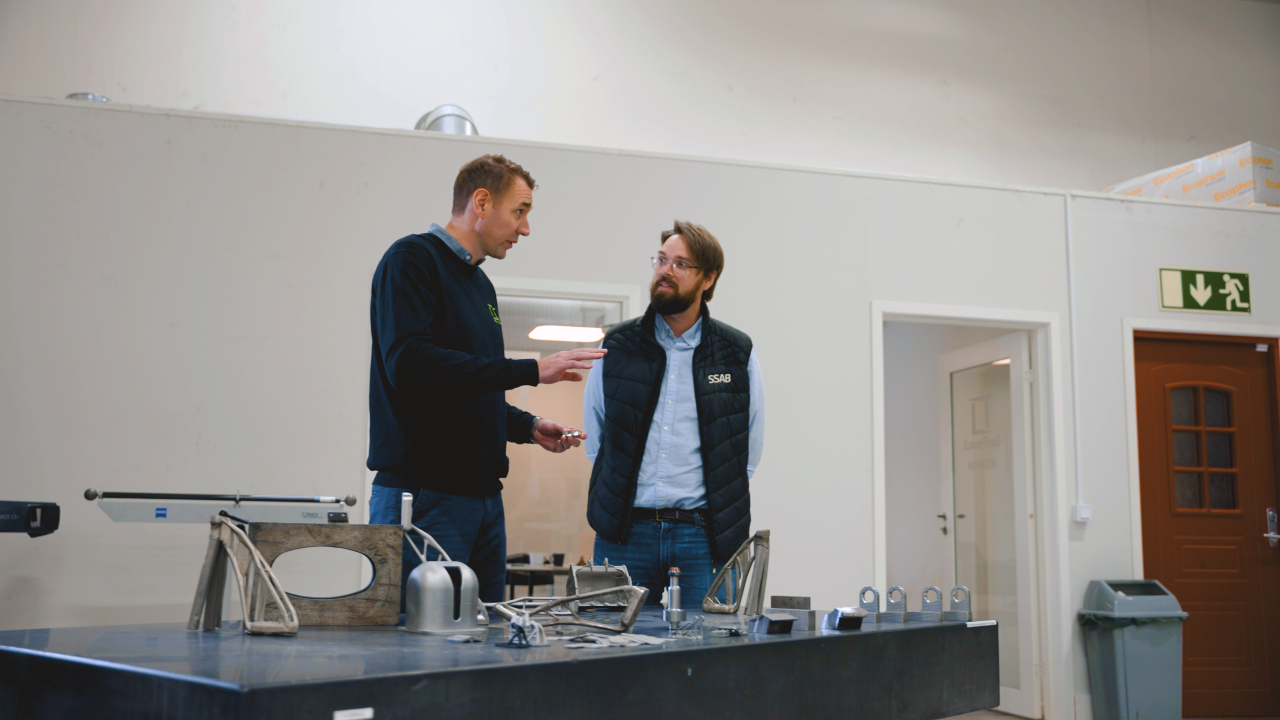
This is why SSAB, together with LaserTool in Olofström, Sweden, is introducing metal additive manufacturing (AM) at sites in Borlänge and Raahe.

“SSAB has a legacy of not settling ‘good’ — we always aim to be greater,” says Jesper Vang, Head of Powder Technology at SSAB. “Working with innovative partners like LaserTool allows us to challenge how the market looks today. By using high-performance AM steel powder, we unlock design possibilities that were impossible yesterday.”

In traditional machining, up to 90% of the material can be removed — but when designing for AM, you only use the steel that’s needed for the part’s engineering function. The result is lighter, stronger, and more resource-efficient components.

“By using high-performance AM steel powder, we unlock design possibilities that were impossible yesterday.”
Jesper Vang, Head of Powder Technology at SSAB

From challenge to breakthrough

The challenge SSAB faced was a common one in heavy industry: OEM parts with inconsistent quality, long lead times, and high costs. This makes replacing worn or obsolete components both expensive and time-consuming, which affects productivity.

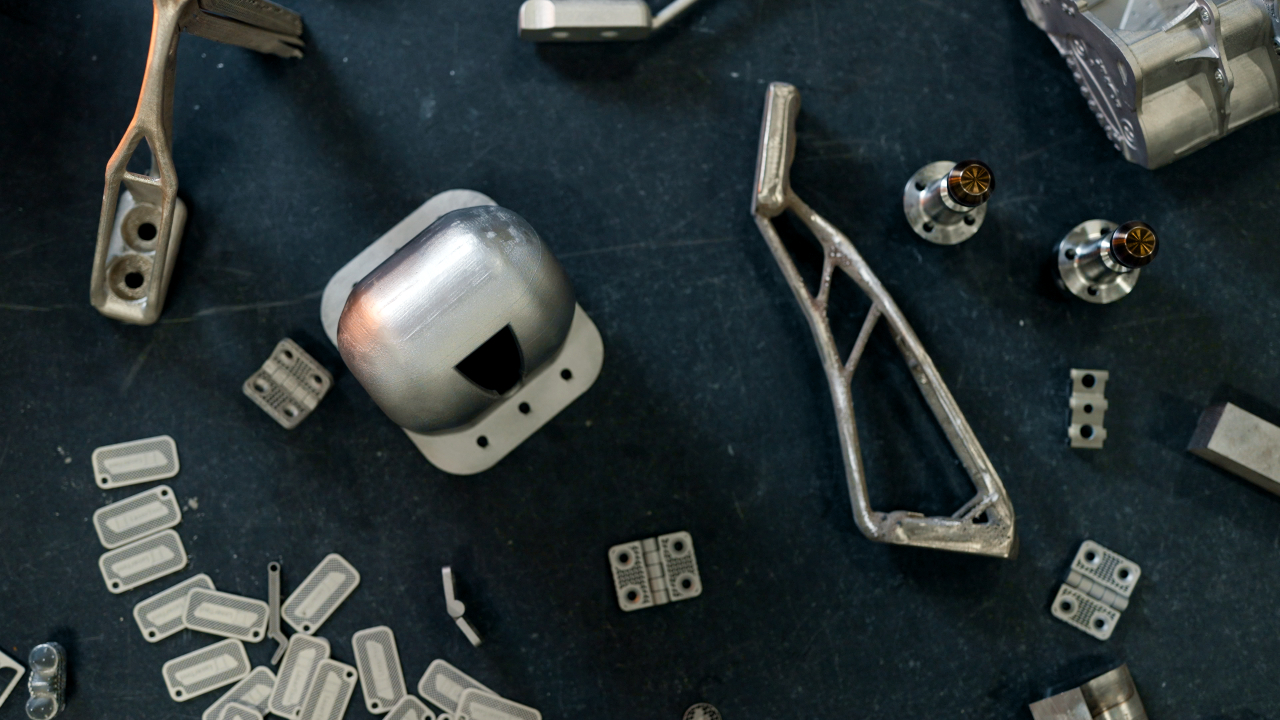
To address this, LaserTool and SSAB reverse-engineered and 3D-printed parts, optimized for AM and laser hardening. Unlike traditional parts, these new components are developed and customized for their intended use.

“The biggest challenge with metal 3D printing is that many parts are designed for traditional manufacturing,” explains Martin Nilsson, CEO of LaserTool. “You have to rethink the process — print only what’s needed and optimize for performance. With laser hardening, we can choose exactly where a part should be harder, and we get minimal distortion.”

From longer lifetimes to lower costs

By redesigning and printing parts using additive manufacturing, their lifespan has increased by more than 300 percent, while wear resistance and performance have significantly improved.

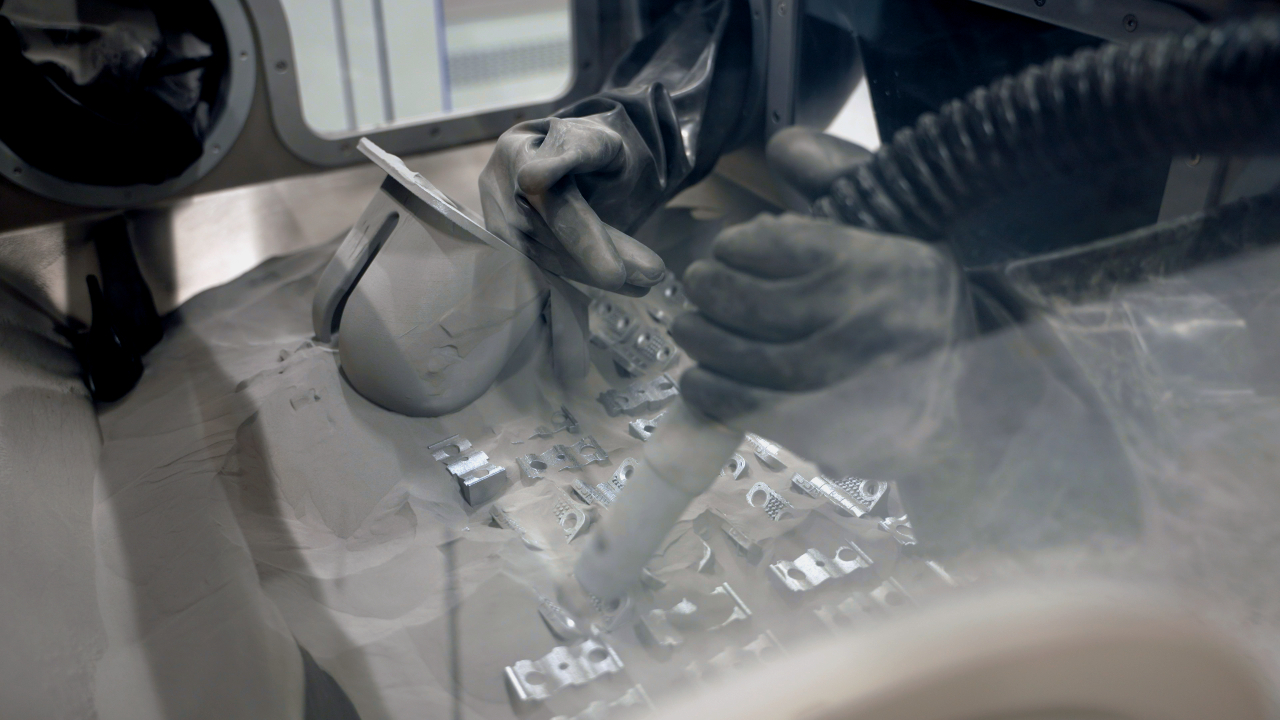
At the same time, lead times and costs have been reduced, as components can now be produced and delivered directly to SSAB. By integrating additive manufacturing into the supply chain, production becomes more flexible, localized and resilient — enabling on-demand manufacturing that reduces the need for large inventories and long transports. The process also optimizes material use, building each part layer by layer and reclaiming any unused steel powder.

“The component we made for SSAB has triple the lifetime compared to the original,” says Martin Nilsson. “It’s more durable, more efficient to produce, and directly supports SSAB’s sustainability goals.”

SSAB drives the transformation through collaboration

AM is more than a new production method. It enables lightweight, complex designs, repairs worn components, and eliminates waste from obsolete tooling. For SSAB, it’s a key enabler in the transition towards sustainable, circular production.

“From automotive to industrial use, from new components to repairs — additive manufacturing strengthens both performance and sustainability,” says Jesper Vang. “It’s a step toward a more efficient and resilient supply chain.”

Want to know more?

Category and tags

Related articles

Oct 31Articles

Is it possible for the automotive industry to achieve truly climate-neutral cars across the entire lifecycle? Yes, but to make that a reality, the industry must tackle embedded emissions in the...

Aug 29Articles

How can you help your customers fight wear and corrosion in acidic and humid environments? Meet Hardox® HiAce – SSAB’s latest in corrosion-resistant wear steel, offering up to 2.7 times longer...

Kaisa
May 9Articles

How can Environmental Product Declarations help boost your competitiveness? The first step is to understand and interpret them correctly, which SSAB can help you to do. The second step is to do an...